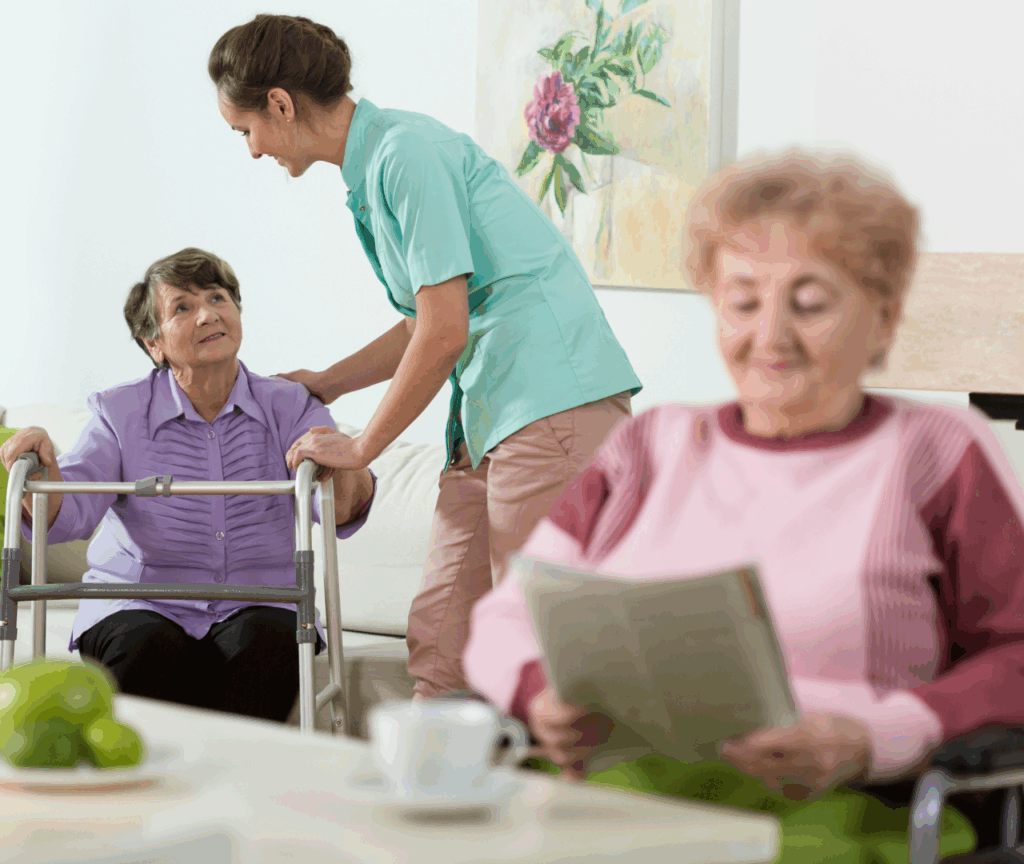
Public health awareness is one of the most important foundations of quality elder home care. It focuses on prevention, early detection, safety habits, and community health practices that protect vulnerable people. Seniors receiving care at home benefit greatly when caregivers and families understand basic public health principles and apply them in daily routines. These practices help reduce infections, prevent complications from chronic disease, lower hospital visits, and improve quality of life.
Health awareness professionals often say that good home care is not only about helping with daily tasks. It is about creating a safe health environment. When caregivers understand public health guidance, they make smarter choices about hygiene, nutrition, medication, mobility, and mental well being. This awareness turns ordinary care into protective care.
Below are expert based insights and practical step by step tips that show why public health awareness matters so much in elder home care.
Prevention Protects Seniors Before Illness Starts
Public health awareness teaches prevention first. Older adults have weaker immune defenses and slower recovery times. Preventing illness is more effective than treating it later.
Home care trainers often explain that small preventive habits repeated daily can prevent major health events.
Tips step by step
- Build a daily hand washing routine for seniors and caregivers
- Clean high touch areas like door handles and switches
- Avoid unnecessary exposure to sick visitors
- Keep routine vaccinations current
- Encourage mask use during outbreaks when advised
- Monitor for early symptoms and act quickly
Prevention reduces risk quietly but powerfully.
Infection Control Is Essential at Home
Many people think infection control only applies to hospitals. Public health experts strongly disagree. Home care settings must follow simple infection control practices to protect elders.
Nurses who train family caregivers often say that the home should follow basic clinical cleanliness standards.
Tips step by step
- Use separate personal care items like towels and razors
- Disinfect bathroom and kitchen surfaces regularly
- Wash bedding and clothing frequently
- Use gloves for wound care or body fluid contact
- Dispose of dressings and medical waste safely
- Keep hand sanitizer available in key rooms
Simple infection control steps prevent serious complications.
Chronic Disease Awareness Prevents Emergencies
Public health education focuses heavily on chronic disease management. Conditions like heart disease, diabetes, lung disease, and high blood pressure are common in seniors. Awareness helps caregivers recognize warning signs early.
Health educators teach that daily observation is one of the strongest tools in home care.
Tips step by step
- Track blood pressure or blood sugar if prescribed
- Note changes in breathing or swelling
- Watch appetite and sleep patterns
- Keep a daily health log
- Report unusual changes early
- Do not wait for severe symptoms
Early action often prevents hospitalization.
Medication Safety Requires Awareness
Medication errors are a major public health concern in older adults. Taking the wrong dose or mixing drugs incorrectly can cause serious harm. Public health awareness includes medication safety education.
Pharmacists who work with elder patients recommend structured medication systems.
Tips step by step
- Use a weekly pill organizer
- Maintain a current medication list
- Double check doses and timing
- Learn common side effects
- Avoid mixing over the counter drugs without approval
- Review medicines at each doctor visit
Medication awareness protects daily health.
Nutrition and Hydration Support Immunity
Public health campaigns consistently highlight nutrition and hydration because they directly affect immunity and strength. Seniors often eat and drink less than they should.
Diet focused care experts say that food planning is a health strategy, not just meal service.
Tips step by step
- Provide balanced meals with protein and fiber
- Encourage water intake throughout the day
- Limit high salt processed foods
- Offer fruits and vegetables daily
- Adjust food texture if chewing is difficult
- Monitor weight changes
Good nutrition supports recovery and resistance.
Fall Prevention Is a Public Health Priority
Falls are one of the top causes of injury among older adults. Public health safety programs strongly emphasize fall prevention in home environments.
Safety specialists recommend regular home risk checks.
Tips step by step
- Remove loose rugs and clutter
- Install grab bars in bathrooms
- Improve lighting in hallways
- Use non slip mats
- Ensure proper footwear
- Reassess mobility every few months
Safer homes reduce injury risk.
Mental Health and Social Health Matter
Public health awareness now includes mental and social well being. Isolation and depression can worsen physical illness in seniors. Home care should include emotional health support.
Behavioral health experts say social connection is protective medicine.
Tips step by step
- Schedule regular family contact
- Encourage conversation and storytelling
- Support hobbies and interests
- Watch for mood changes
- Maintain a daily routine
- Seek professional help if withdrawal appears
Emotional health supports physical health.
Emergency Preparedness Saves Time and Lives
Public health systems emphasize emergency readiness. Seniors are more vulnerable during disasters, heat waves, and outbreaks. Prepared homes respond faster and more safely.
Emergency planners recommend written plans for elder homes.
Tips step by step
- Post emergency numbers clearly
- Keep medical records accessible
- Prepare a basic emergency kit
- Store extra medications
- Plan evacuation or transport options
- Review the plan with caregivers
Preparation reduces confusion and delay.
Caregiver Education Improves Care Quality
Public health awareness is not only for professionals. Family caregivers benefit greatly from health education. When caregivers understand risks and prevention strategies, care becomes more consistent and safer.
Training coordinators say informed caregivers make fewer critical mistakes.
Tips step by step
- Attend caregiver training programs
- Follow trusted public health updates
- Learn basic first aid skills
- Ask doctors and nurses questions
- Use reliable health resources
- Review care routines regularly
Education builds confidence and safety.
Final Thoughts
Public health awareness is important in elder home care because it transforms daily assistance into preventive health protection. It guides caregivers in infection control, chronic disease monitoring, medication safety, nutrition, fall prevention, mental health support, and emergency planning. Health awareness experts consistently show that seniors receiving prevention focused home care experience fewer complications and better long term outcomes.When public health knowledge becomes part of everyday caregiving, elder home care becomes safer, smarter, and more effective.